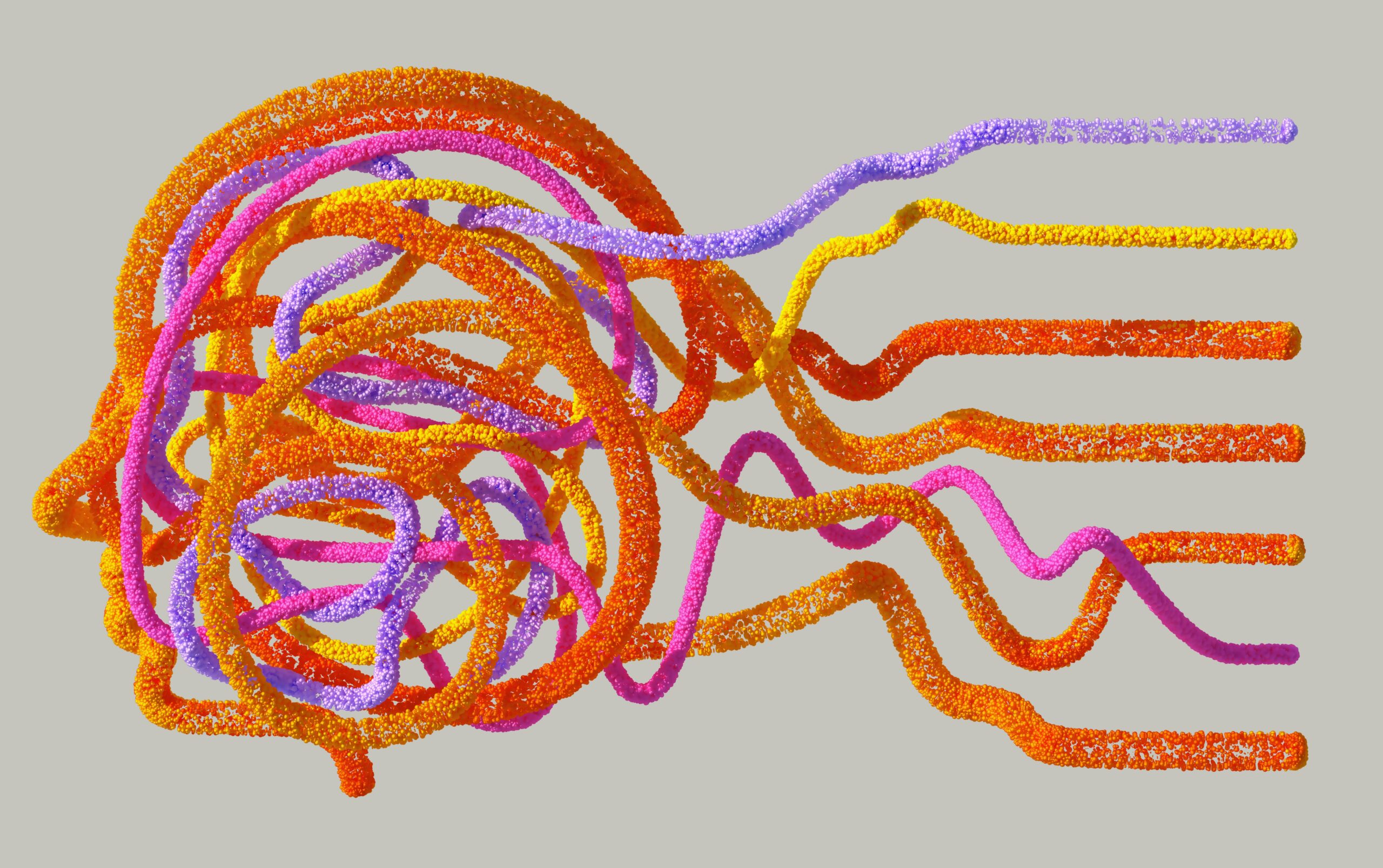
Every movement you make, from typing on a keyboard to running a marathon, relies on the seamless coordination between your nervous system and muscles. This intricate dance is called neuro-motor integration.

When this connection functions optimally, we experience fluid movements, quick reflexes, and confident physical performance. However, various conditions—from developmental delays to neurological injuries—can disrupt this vital relationship. This is precisely where occupational therapy steps in, offering evidence-based interventions that rebuild and strengthen the brain-body connection, ultimately unlocking human potential for a more active, independent, and fulfilling life.
Understanding Neuro-Motor Integration: The Foundation of Movement
Neuro-motor integration refers to the complex process by which the nervous system communicates with the muscular system to produce coordinated, purposeful movement. This process involves multiple brain regions, including the cerebellum, motor cortex, and basal ganglia, working in concert with sensory feedback from muscles, joints, and the vestibular system.
When neuro-motor integration is compromised, individuals may experience challenges such as poor coordination, delayed motor skills, balance difficulties, or reduced fine motor control. These challenges can significantly impact daily activities, from buttoning a shirt to navigating stairs safely. Understanding this foundational concept helps explain why occupational therapy interventions are so transformative for diverse populations.
The Role of Occupational Therapy in Neuro-Motor Development 🧠
Occupational therapists are uniquely trained to assess and treat neuro-motor deficits through a holistic, functional approach. Unlike other rehabilitation professionals who may focus solely on isolated movements, occupational therapists consider how these movements translate into meaningful daily activities—what we call “occupations.”
The occupational therapy approach to neuro-motor integration encompasses several key principles. First, therapists conduct comprehensive assessments that evaluate not just muscle strength or range of motion, but also sensory processing, motor planning abilities, and functional performance in real-world contexts. This thorough evaluation allows for personalized intervention plans tailored to each individual’s specific needs and goals.
Evidence-Based Interventions That Transform Lives
Occupational therapy employs numerous evidence-based techniques to enhance neuro-motor integration. Sensory integration therapy, for instance, helps individuals process and respond appropriately to sensory information, which is fundamental for coordinated movement. Through carefully designed activities involving swings, weighted materials, and tactile experiences, therapists help rewire neural pathways.
Constraint-induced movement therapy represents another powerful approach, particularly for individuals recovering from stroke or brain injury. By strategically limiting the use of stronger limbs and encouraging use of affected areas, this technique promotes neuroplasticity—the brain’s remarkable ability to form new neural connections.
Task-specific training focuses on repeatedly practicing functional activities in meaningful contexts. Rather than generic exercises, individuals might practice actual daily tasks like cooking, dressing, or using technology, which enhances both motor skills and the cognitive components of movement planning.
Populations Who Benefit from Neuro-Motor Focused Occupational Therapy
The applications of occupational therapy for neuro-motor integration span across the lifespan, benefiting diverse populations with varying needs.
Children with Developmental Challenges 👶
Children with developmental coordination disorder, autism spectrum disorder, cerebral palsy, or genetic conditions often experience neuro-motor integration difficulties. Occupational therapy helps these children develop fundamental motor skills, improve handwriting, enhance playground confidence, and participate more fully in school and social activities.
Through play-based interventions, therapists make skill-building enjoyable while addressing critical developmental milestones. Activities might include obstacle courses that challenge balance and coordination, fine motor games that strengthen hand muscles for writing, or bilateral coordination activities that encourage both sides of the body to work together.
Adults Recovering from Neurological Conditions
Stroke survivors, individuals with traumatic brain injuries, multiple sclerosis patients, and those with Parkinson’s disease all face significant neuro-motor challenges. Occupational therapy provides structured rehabilitation that helps restore lost function, compensate for permanent deficits, and maintain independence.
For stroke survivors, the first months post-injury represent a critical window for neuroplasticity. Intensive occupational therapy during this period can dramatically improve outcomes, helping individuals regain the ability to dress themselves, prepare meals, return to work, or resume hobbies they love.
Aging Adults Seeking to Maintain Function 🏃♀️
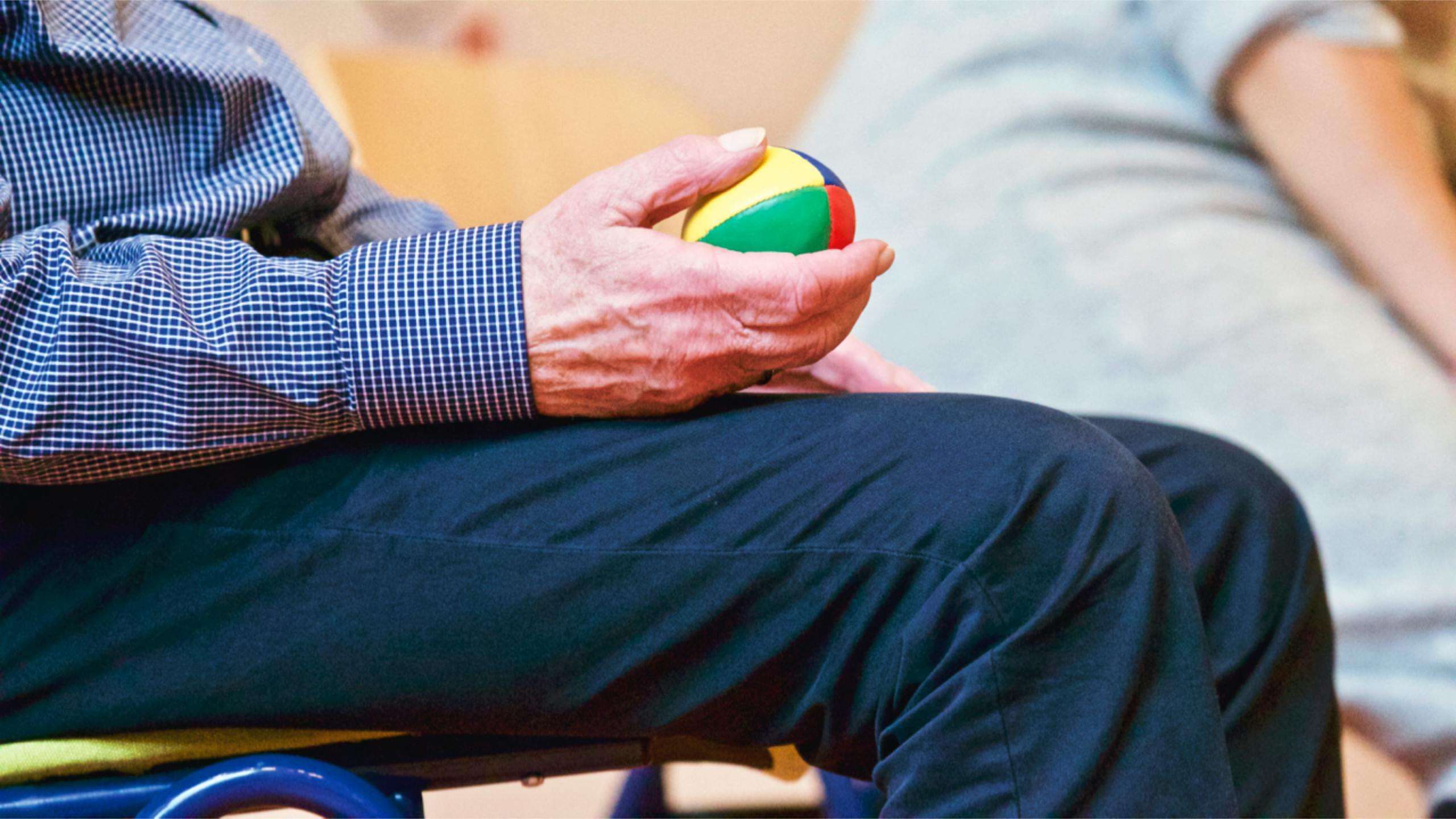
Even healthy aging brings natural changes in neuro-motor integration. Reaction times slow, balance becomes less stable, and fine motor precision may decline. Proactive occupational therapy interventions help older adults maintain their independence, reduce fall risk, and continue engaging in valued activities.
Balance training, strengthening exercises incorporated into functional tasks, and environmental modifications all contribute to safer, more active aging. Therapists also address driving safety, a crucial occupation that requires intact neuro-motor integration for safe community participation.
Innovative Techniques in Modern Occupational Therapy Practice
The field of occupational therapy continually evolves, incorporating new technologies and research findings to enhance neuro-motor integration outcomes.
Technology-Enhanced Interventions
Virtual reality systems now allow therapists to create engaging, customizable environments that challenge neuro-motor skills while providing real-time feedback. Patients might practice navigating virtual grocery stores, improving both physical coordination and cognitive processing in a safe, controlled setting.
Robotic-assisted therapy devices provide consistent, measurable support during repetitive movement practice, which is essential for motor learning. These technologies enable higher-intensity training that accelerates recovery while reducing physical strain on therapists.
Biofeedback systems help individuals visualize their muscle activation patterns, posture, or movement quality. This awareness accelerates learning as patients understand precisely what they need to adjust to achieve more efficient, coordinated movements.
Neuroplasticity-Focused Approaches
Contemporary occupational therapy practice is deeply grounded in neuroscience principles. Therapists structure interventions to maximize neuroplasticity by ensuring activities are challenging yet achievable, repetitive yet varied, and immediately meaningful to the individual.
The concept of “just-right challenge” is particularly important. Tasks that are too easy fail to stimulate new neural pathway formation, while those that are too difficult lead to frustration and ineffective movement patterns. Skilled occupational therapists constantly calibrate activity demands to maintain this optimal learning zone.
The Sensory Foundation of Motor Control
An often-overlooked aspect of neuro-motor integration is the critical role of sensory processing. You cannot move effectively without accurate sensory information about your body’s position in space, the surfaces you’re contacting, and the results of your movements.
Occupational therapists assess all sensory systems—tactile, proprioceptive, vestibular, visual, and auditory—to understand how sensory processing impacts motor performance. Many individuals with movement difficulties actually have underlying sensory processing challenges that, when addressed, lead to dramatic motor improvements.
Proprioception: Your Body’s GPS System 📍
Proprioception, your sense of body position and movement, is fundamental to coordinated motor control. Without adequate proprioceptive input, movements become clumsy, effortful, and inaccurate. Occupational therapists incorporate heavy work activities, resistance exercises, and joint compression to enhance proprioceptive awareness.
Simple activities like pushing heavy carts, carrying weighted objects, or engaging in climbing activities provide rich proprioceptive input that helps calibrate the neuromuscular system. Over time, this sensory input translates to more confident, efficient movement patterns.
Creating Healthier Habits Through Improved Neuro-Motor Function
The benefits of enhanced neuro-motor integration extend far beyond basic movement ability. When individuals move more confidently and efficiently, they naturally become more physically active, which creates a positive health cascade.
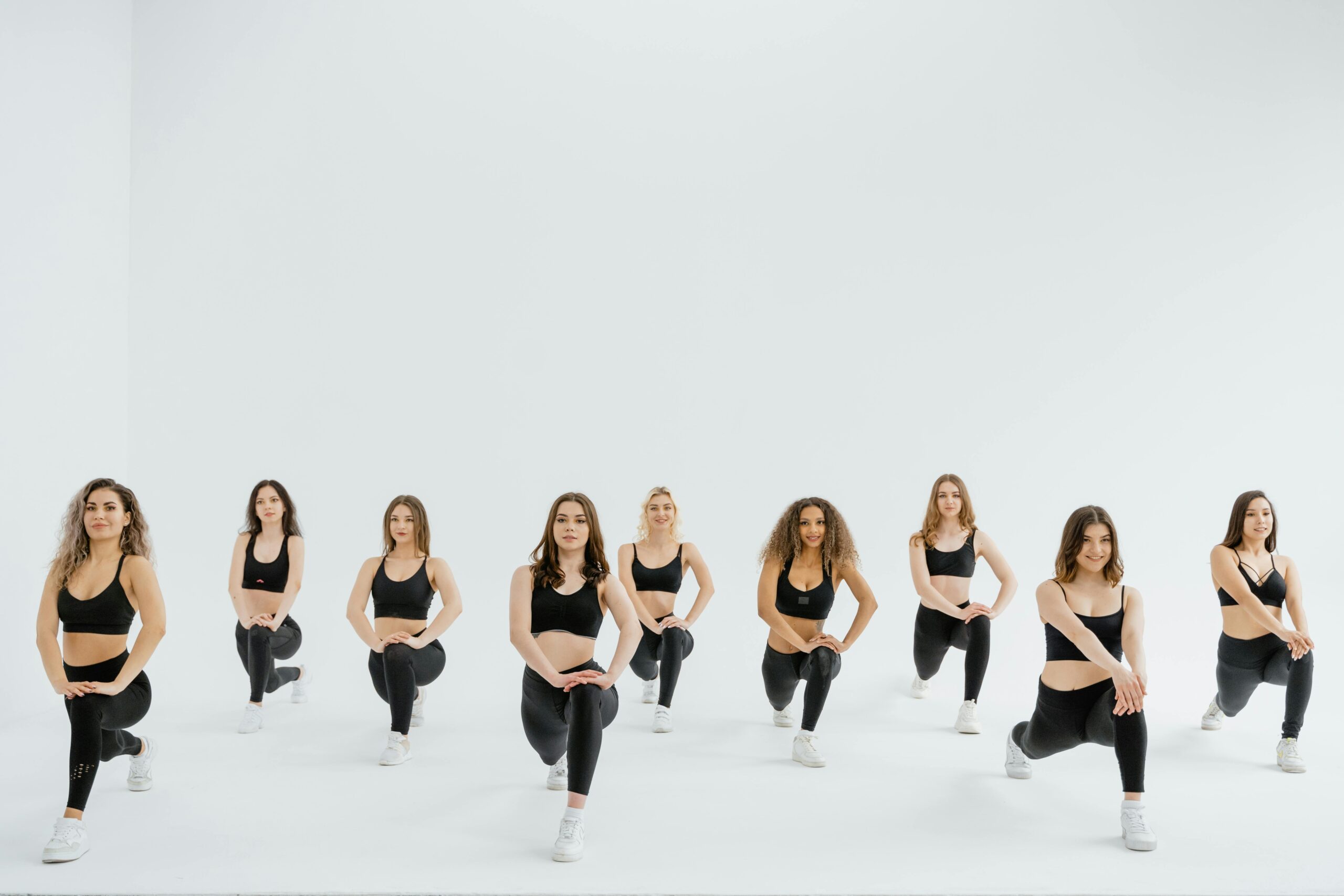
Improved coordination reduces injury risk, making exercise and physical activity safer and more enjoyable. Better balance and motor planning abilities enable participation in group fitness classes, recreational sports, and outdoor activities that were previously intimidating or inaccessible.
This increased activity level contributes to cardiovascular health, weight management, bone density, mental health, and cognitive function. The relationship is bidirectional—better neuro-motor integration enables more activity, and more activity further enhances neuro-motor integration through continued practice and challenge.
Practical Strategies You Can Implement Today 💪
While working with an occupational therapist provides the most comprehensive approach to improving neuro-motor integration, several strategies can be incorporated into daily life immediately.
Cross-Body Movements
Activities that require crossing the midline of your body—reaching across with your right hand to touch your left knee, for example—strengthen the connection between brain hemispheres and improve bilateral coordination. Simple exercises like drawing figure-eights in the air or touching opposite elbows to knees can be surprisingly beneficial.
Balance Challenges
Intentionally challenging your balance system stimulates neuro-motor adaptation. Try standing on one foot while brushing your teeth, walking heel-to-toe along a straight line, or standing on a pillow while performing daily tasks. These activities force your nervous system to make constant small adjustments, strengthening neural pathways.
Novel Movement Patterns
Learning new motor skills—dancing, juggling, playing an instrument, or trying a new sport—creates new neural pathways and maintains brain plasticity. The key is choosing activities that are genuinely challenging and engaging, requiring focused attention and repeated practice.
Mindful Movement Practice
Paying attention to how your body moves, rather than moving automatically, enhances neuro-motor learning. Practices like tai chi, yoga, or simply performing daily activities with full awareness help refine movement quality and strengthen the mind-body connection.
Measuring Progress: What Success Looks Like
Neuro-motor integration improvements manifest in various meaningful ways across different life domains. For children, success might mean improved handwriting legibility, confident playground participation, or reduced frustration with motor tasks at school.
Adults recovering from neurological injuries often measure progress through increased independence in self-care activities, return to work capabilities, or resumption of cherished hobbies. The ability to button a shirt independently, prepare a meal safely, or drive again represents profound quality-of-life improvements.
Quantifiable measures include standardized assessments of motor coordination, balance tests, manual dexterity evaluations, and functional capacity assessments. However, the most meaningful outcomes are often the personal goals achieved—playing catch with grandchildren, returning to gardening, or simply moving through daily life with greater ease and confidence.
The Interdisciplinary Advantage: Collaboration for Optimal Outcomes
Occupational therapists rarely work in isolation. The most effective neuro-motor rehabilitation occurs within interdisciplinary teams that might include physical therapists, speech-language pathologists, physicians, psychologists, and educators.
Each professional brings unique expertise that addresses different aspects of recovery and development. Physical therapists focus on gross motor skills and mobility, speech-language pathologists address oral-motor coordination for communication and swallowing, while occupational therapists bridge these areas by focusing on how all systems integrate to support meaningful daily activities.
This collaborative approach ensures comprehensive care that addresses the whole person, not just isolated deficits. Regular communication among team members allows for coordinated interventions that reinforce each other, accelerating progress and preventing contradictory recommendations.
Overcoming Barriers to Accessing Occupational Therapy Services
Despite the proven benefits, many individuals who could benefit from occupational therapy face access challenges. Financial barriers, limited awareness of what occupational therapy offers, geographic limitations, or insurance coverage gaps all prevent people from receiving needed services.
Telehealth has emerged as a valuable solution, particularly since the COVID-19 pandemic. Virtual occupational therapy sessions can effectively address many neuro-motor goals, with therapists guiding individuals through activities using household items, providing real-time feedback on movement quality, and monitoring progress remotely.
Community-based programs, school services, and outreach initiatives also expand access. Many occupational therapists now provide group classes, workshops, or consultation services that make expertise available to broader populations.
The Lifelong Journey: Maintenance and Continued Growth 🌱
Neuro-motor integration isn’t a fixed capacity that, once achieved, remains static. Like any skill, it requires ongoing challenge and practice to maintain and continue improving. This reality makes occupational therapy not just a treatment for deficits but a framework for lifelong wellness.
Individuals who embrace this perspective continue seeking novel movement challenges throughout their lives. They understand that a sedentary lifestyle leads to deconditioning of both physical and neurological systems, while varied, regular physical engagement maintains vitality and function well into advanced age.
Occupational therapists can serve as coaches throughout this lifelong journey, periodically reassessing needs, adjusting home programs, and recommending new challenges appropriate for current functional levels and goals. This ongoing relationship supports not just recovery from deficits but optimization of human potential.
Transforming Lives Through Movement: Real Impact Stories
The abstract concepts of neuro-motor integration and occupational therapy interventions become most meaningful when understood through real experiences. Consider the seven-year-old who finally gains the coordination to ride a bike alongside neighborhood friends, transforming social opportunities and self-confidence. Or the stroke survivor who progresses from complete dependence to preparing simple meals independently, reclaiming dignity and reducing caregiver burden.
These transformations extend beyond the individual, positively impacting families, communities, and healthcare systems. Improved function reduces long-term care needs, enables workforce participation, and enhances quality of life across all domains. The ripple effects of effective occupational therapy interventions are profound and far-reaching.
Looking Forward: The Future of Neuro-Motor Rehabilitation
Emerging research continues to expand our understanding of neuroplasticity, motor learning, and effective intervention strategies. Brain stimulation technologies, advanced neuroimaging that guides treatment planning, and artificial intelligence-driven personalized protocols all promise to enhance occupational therapy’s effectiveness.
The growing emphasis on preventive health care also positions occupational therapy as a valuable resource not just for treating deficits but for maintaining optimal function throughout the lifespan. As healthcare systems increasingly recognize the value of functional outcomes and quality of life, occupational therapy’s role will likely expand significantly.
The integration of occupational therapy principles into community wellness programs, workplace health initiatives, and educational settings will help more people benefit from these insights without necessarily requiring individual clinical services. This broader dissemination of knowledge empowers individuals to take active roles in maintaining and improving their own neuro-motor integration.
Unlocking your potential through enhanced neuro-motor integration is not merely about recovering from injury or compensating for disability. It represents a fundamental approach to living more fully, moving more confidently, and engaging more completely in all aspects of life. Occupational therapy provides the roadmap, the tools, and the expert guidance to make this transformation possible, regardless of your starting point. Whether you’re a parent seeking help for your child, an adult recovering from neurological injury, or a healthy individual wanting to optimize function, occupational therapy offers evidence-based pathways to a healthier, more active life. The journey begins with a single step—or more accurately, with a more coordinated, confident, intentional movement forward. 🚀