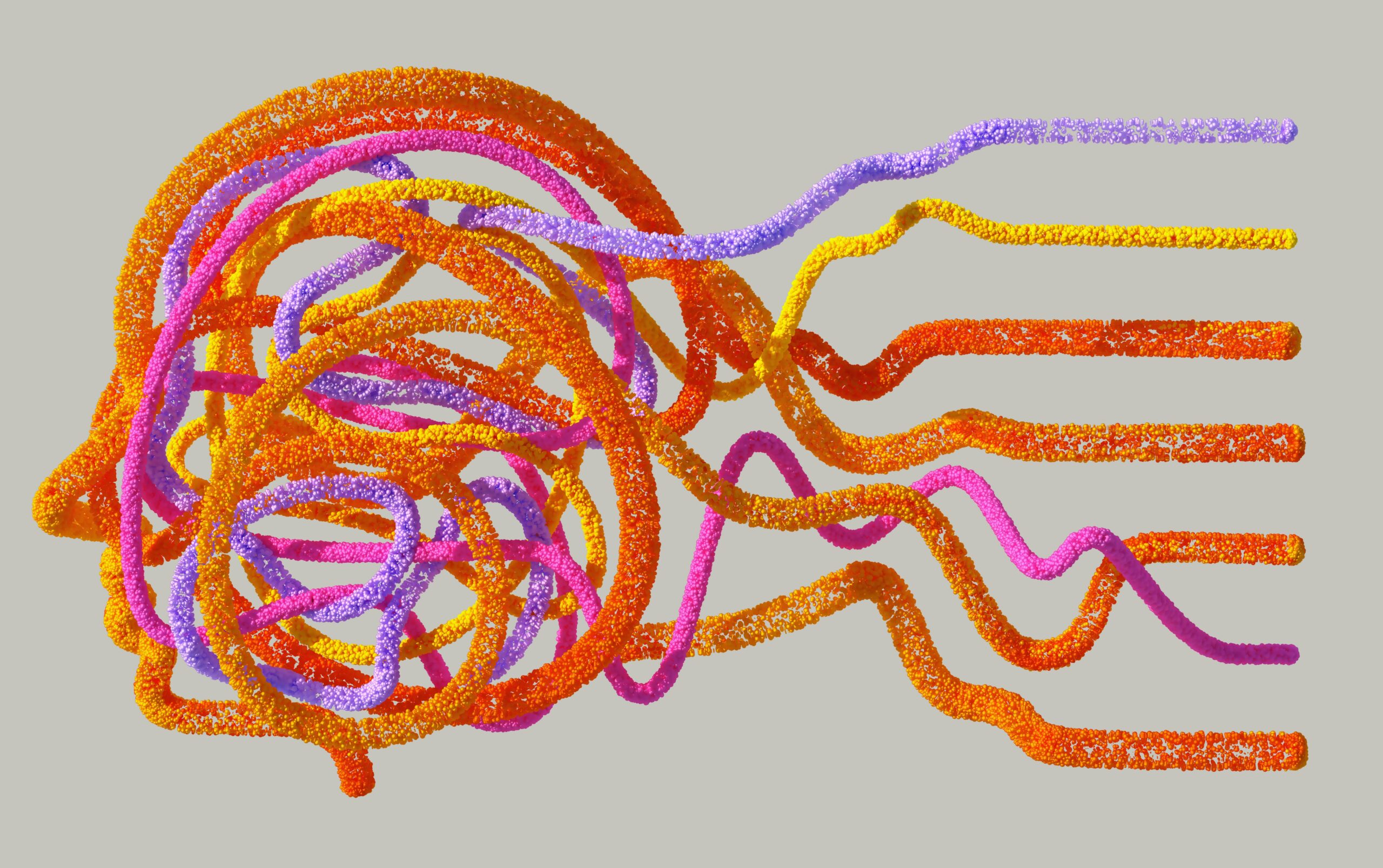
The human brain is one of the most remarkable organs in existence, constantly adapting and reorganizing itself throughout our lives. This extraordinary ability lies at the heart of how we learn, remember, and process the world around us.

At the core of this adaptability is a phenomenon called synaptic plasticity—the brain’s capacity to strengthen or weaken connections between neurons based on experience. Understanding this mechanism opens a window into the fundamental processes that make us who we are, from acquiring new skills to forming lasting memories that define our personal histories.
🧠 What is Synaptic Plasticity?
Synaptic plasticity refers to the ability of synapses—the junctions where neurons communicate—to change their strength and efficiency over time. This dynamic process allows the brain to modify its neural circuits in response to experience, learning, and environmental demands. Rather than being a fixed network, our brain operates as a constantly evolving system that rewires itself based on what we do, think, and experience.
The concept was first proposed by Canadian psychologist Donald Hebb in 1949, who famously stated that “neurons that fire together, wire together.” This principle, now known as Hebbian learning, suggests that when two neurons are repeatedly activated simultaneously, the connection between them strengthens. Conversely, connections that are rarely used may weaken or disappear altogether—a process often summarized as “use it or lose it.”
Synaptic plasticity occurs throughout the brain and at different timescales. Some changes happen within milliseconds, while others develop over days, weeks, or even years. This flexibility enables us to adapt to new situations, acquire complex skills, and store information for future retrieval.
The Two Main Forms of Synaptic Plasticity
Scientists have identified two primary types of long-lasting synaptic plasticity that play crucial roles in learning and memory formation: Long-Term Potentiation (LTP) and Long-Term Depression (LTD).
Long-Term Potentiation: Strengthening Neural Connections
Long-Term Potentiation is the persistent strengthening of synapses based on recent patterns of activity. When a presynaptic neuron repeatedly stimulates a postsynaptic neuron, the efficiency of signal transmission between them increases. This enhancement can last from hours to days, weeks, or even longer, making LTP a leading candidate mechanism for information storage in the brain.
LTP was first discovered in the hippocampus—a brain region critical for memory formation—by Terje Lømo in 1966. Since then, it has been observed in numerous brain areas and is considered essential for spatial memory, associative learning, and the consolidation of experiences into long-term memory.
The molecular mechanisms underlying LTP involve the activation of specialized receptors called NMDA receptors, which allow calcium ions to enter the postsynaptic neuron. This calcium influx triggers a cascade of biochemical events that ultimately lead to the insertion of more receptors into the synapse and structural changes that make the connection more robust.
Long-Term Depression: Weakening Unnecessary Connections
While LTP strengthens synapses, Long-Term Depression does the opposite—it weakens synaptic connections through prolonged low-frequency stimulation. This might seem counterintuitive, but LTD is equally important for learning and memory. By pruning unnecessary or rarely used connections, LTD helps refine neural circuits and prevents the brain from becoming cluttered with irrelevant information.
LTD contributes to the selective nature of memory, ensuring that important information stands out while less significant details fade away. This process is crucial for cognitive flexibility, allowing us to update our understanding when circumstances change and to unlearn outdated information.
How Synaptic Plasticity Shapes Learning
Every time we acquire a new skill or piece of knowledge, synaptic plasticity is at work. Whether learning to play a musical instrument, mastering a new language, or developing expertise in a particular field, the brain creates and strengthens specific neural pathways that support these abilities.
The learning process typically follows several stages, each involving different aspects of synaptic plasticity. Initially, when we first encounter new information, rapid changes occur in synaptic strength as the brain begins to encode the experience. With repetition and practice, these temporary changes become consolidated into more permanent modifications involving structural changes to neurons and synapses.
The Role of Repetition and Practice
Repetition is fundamental to learning because it reinforces synaptic connections. Each time we practice a skill or review information, we reactivate the relevant neural pathways, triggering molecular mechanisms that strengthen those connections. This is why consistent practice over time—rather than cramming—leads to more durable learning outcomes.
The concept of distributed practice, or spacing out learning sessions over time, takes advantage of synaptic plasticity mechanisms. Brief periods of rest between learning sessions allow for protein synthesis and other molecular processes necessary for consolidating synaptic changes. This approach has been shown to enhance long-term retention compared to massed practice sessions.
Critical Periods and Developmental Plasticity
Synaptic plasticity is particularly robust during critical periods in early development when the brain exhibits heightened sensitivity to environmental input. During these windows, experiences have especially powerful effects on shaping neural circuits. Language acquisition, for instance, is most efficient during childhood when language-related brain areas display enhanced plasticity.
However, the brain retains significant plasticity throughout life, a discovery that has challenged earlier beliefs about age-related limitations on learning. While certain types of plasticity may decline with age, adult brains remain remarkably capable of forming new connections and adapting to new experiences—a concept known as lifelong neuroplasticity.
💭 Memory Formation and Consolidation
Memory is perhaps the most fascinating application of synaptic plasticity. The transformation of fleeting experiences into lasting memories involves complex orchestration of synaptic changes across multiple brain regions and timescales.
Memory formation typically progresses through three stages: encoding, consolidation, and retrieval. Each stage relies on different aspects of synaptic plasticity and involves distinct neural mechanisms.
Memory Encoding: The Initial Capture
When we experience something new, sensory information enters the brain and triggers patterns of neural activity. If we pay attention to this information, early-phase LTP occurs in relevant brain regions, creating an initial, fragile memory trace. This encoding process is heavily influenced by factors such as attention, emotional significance, and context.
The hippocampus plays a central role in encoding new episodic memories—memories of specific events and experiences. Synaptic plasticity in hippocampal circuits allows the brain to rapidly bind together different aspects of an experience, such as where it happened, when it occurred, and what it felt like.
Memory Consolidation: Making Memories Last
For memories to persist beyond a few hours, they must undergo consolidation—a process that stabilizes memory traces through protein synthesis and structural modifications at synapses. During consolidation, memories are gradually transferred from temporary storage in the hippocampus to more permanent storage in cortical areas.
Sleep plays a critical role in memory consolidation. During sleep, particularly during slow-wave and REM stages, the brain replays patterns of activity from recent experiences. This reactivation strengthens relevant synaptic connections and integrates new information with existing knowledge networks.
Research has shown that disrupting sleep shortly after learning can impair memory consolidation, highlighting the importance of rest for effective learning. The brain essentially uses downtime to solidify the synaptic changes initiated during waking experiences.
Information Processing and Neural Efficiency
Beyond learning and memory, synaptic plasticity continuously shapes how the brain processes information. Through experience-dependent modifications, neural circuits become optimized for frequently encountered patterns and tasks, leading to more efficient information processing.
Perceptual Learning and Sensory Refinement
Synaptic plasticity in sensory cortices allows the brain to become increasingly sensitive to relevant stimuli while filtering out less important information. Musicians, for example, develop enhanced auditory processing abilities through years of practice, with corresponding changes in synaptic organization within auditory brain regions.
This refinement process involves both the strengthening of connections that encode important features and the weakening of connections related to irrelevant details. The result is a more efficient neural representation that allows for faster and more accurate processing of domain-specific information.
Cognitive Flexibility and Adaptive Behavior
The brain’s ability to flexibly adjust behavior based on changing circumstances depends on synaptic plasticity in prefrontal cortex and related regions. These areas support executive functions such as planning, decision-making, and behavioral adaptation.
When we encounter new situations that require different strategies, synaptic modifications allow us to update our mental models and adjust our responses accordingly. This cognitive flexibility is essential for problem-solving, creativity, and navigating the complexities of daily life.
🔬 Molecular Mechanisms Behind the Magic
The remarkable properties of synaptic plasticity emerge from intricate molecular machinery operating within neurons and at synapses. Understanding these mechanisms provides insight into how microscopic changes translate into macroscopic changes in behavior and cognition.
Key molecular players include neurotransmitter receptors, signaling molecules, structural proteins, and gene expression regulators. When neurons are activated in patterns that induce plasticity, these components interact in coordinated cascades that ultimately modify synaptic strength and structure.
The Role of Calcium Signaling
Calcium ions serve as crucial messengers in synaptic plasticity. The amount and timing of calcium entry into postsynaptic neurons determine whether LTP or LTD occurs. Large calcium influxes typically trigger LTP, while smaller, prolonged increases lead to LTD.
This calcium sensitivity allows synapses to function as sophisticated detectors of activity patterns, responding differently to various forms of neural input. The calcium signal activates enzymes that modify existing proteins and trigger gene expression programs that produce new proteins necessary for lasting synaptic changes.
Structural Changes at Synapses
Lasting forms of synaptic plasticity involve physical changes to synapse structure. Synapses can grow larger, sprout new connections, or even disappear entirely. Dendritic spines—tiny protrusions where many excitatory synapses form—can change shape, size, and number in response to activity.
These structural modifications provide a physical substrate for information storage. By altering the anatomy of neural circuits, the brain creates lasting records of experience that can persist for years or even a lifetime.
Factors That Enhance or Impair Synaptic Plasticity
Multiple factors influence the brain’s capacity for synaptic plasticity, with significant implications for learning, memory, and cognitive health.
Enhancing Plasticity: Lifestyle Factors
- Physical Exercise: Regular aerobic exercise increases production of brain-derived neurotrophic factor (BDNF), a protein that promotes synaptic plasticity and neuronal survival. Exercise has been shown to enhance learning and protect against age-related cognitive decline.
- Mental Stimulation: Engaging in cognitively challenging activities promotes synaptic plasticity by repeatedly activating neural circuits. Learning new skills, solving puzzles, and social interaction all stimulate plasticity mechanisms.
- Adequate Sleep: Quality sleep supports memory consolidation and synaptic homeostasis—the process by which the brain balances overall synaptic strength to maintain optimal function.
- Nutrition: Certain nutrients, including omega-3 fatty acids, antioxidants, and vitamins, support synaptic function and plasticity. A balanced diet provides the building blocks necessary for maintaining and modifying synapses.
- Stress Management: Moderate, short-term stress can enhance plasticity and memory formation, but chronic stress impairs these processes through elevated cortisol levels and other mechanisms.
Factors That Impair Plasticity
Conversely, certain conditions and behaviors can compromise synaptic plasticity. Chronic stress, sleep deprivation, excessive alcohol consumption, and certain neurological conditions can interfere with plasticity mechanisms, leading to learning difficulties and memory problems.
Aging is associated with some decline in synaptic plasticity, though this is not uniform across all brain regions or individuals. Understanding factors that contribute to age-related plasticity changes is an active area of research with implications for maintaining cognitive health throughout life.
🎯 Clinical Implications and Therapeutic Applications
Understanding synaptic plasticity has profound implications for treating neurological and psychiatric conditions. Many brain disorders involve dysregulation of plasticity mechanisms, and therapeutic interventions increasingly target these processes.
Rehabilitation After Brain Injury
Stroke and traumatic brain injury damage neural tissue, but the brain’s plasticity allows some recovery of function. Rehabilitation therapies leverage plasticity by providing intensive, repetitive practice that encourages reorganization of surviving circuits to compensate for damaged areas.
The timing and intensity of rehabilitation can significantly impact outcomes, with early, intensive intervention often producing better results. Emerging approaches combine traditional therapy with techniques that enhance plasticity, such as brain stimulation or pharmacological interventions.
Mental Health and Plasticity
Many psychiatric conditions, including depression, anxiety, and PTSD, involve altered synaptic plasticity. Antidepressant medications, psychotherapy, and other treatments may work partly by restoring normal plasticity mechanisms.
Recent research has shown that cognitive-behavioral therapy produces measurable changes in brain structure and function, demonstrating how psychological interventions can harness synaptic plasticity to promote healing.
The Future of Plasticity Research
As neuroscience advances, our understanding of synaptic plasticity continues to deepen. Emerging technologies allow researchers to observe and manipulate plasticity with unprecedented precision, opening new possibilities for enhancing learning and treating brain disorders.
Optogenetics, which uses light to control genetically modified neurons, enables scientists to test causal relationships between specific patterns of neural activity and plasticity. Advanced imaging techniques reveal plasticity occurring in living brains, providing real-time windows into learning and memory formation.
Artificial intelligence and machine learning draw inspiration from biological plasticity principles, suggesting potential for bidirectional knowledge transfer between neuroscience and technology. Understanding how the brain learns may improve machine learning algorithms, while computational models help test theories about biological plasticity mechanisms.
🌟 Harnessing Plasticity for Personal Growth
The scientific understanding of synaptic plasticity offers practical insights for optimizing learning and cognitive performance in everyday life. By aligning our behaviors with the brain’s natural plasticity mechanisms, we can enhance our ability to acquire new skills, retain information, and adapt to challenges.
Effective learning strategies based on plasticity principles include spaced repetition, interleaved practice (mixing different types of problems or skills during practice sessions), and testing oneself frequently rather than passive review. These approaches may feel more challenging in the moment but produce stronger, longer-lasting learning outcomes.
Understanding that the brain remains plastic throughout life should inspire confidence in our capacity for continued growth and development. Whether learning a new language in middle age, developing a creative hobby in retirement, or recovering function after injury, the brain’s plasticity provides the biological foundation for change.

Embracing the Brain’s Adaptive Nature
Synaptic plasticity represents one of nature’s most elegant solutions to a fundamental challenge: how to create a system that can both store information reliably and remain flexible enough to adapt to an unpredictable world. This dynamic balance allows us to learn from the past while remaining open to new experiences.
The discovery and ongoing investigation of synaptic plasticity has revolutionized our understanding of the brain, revealing it not as a static organ but as a constantly evolving system shaped by every experience. This knowledge empowers us to take active roles in sculpting our own neural architecture through the choices we make and the experiences we pursue.
As research continues to uncover the mechanisms and implications of synaptic plasticity, we gain not only scientific knowledge but also practical wisdom for living. The brain’s remarkable capacity for change reminds us that we are never fixed in our abilities or limited by our past—we are, in every moment, capable of growth, learning, and transformation.